

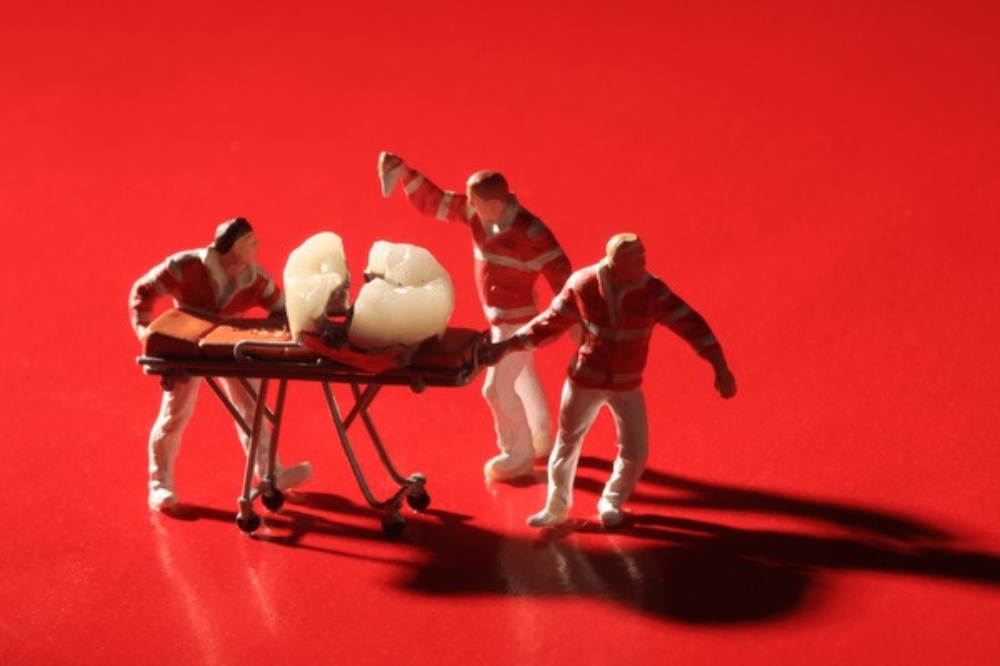
A sudden sharp pain or a mouth injury can be very scary during a normal day. Knowing when to call an emergency dentist near you is the ideal way to save a tooth that might otherwise be lost forever. While a small ache can usually wait for a regular appointment, some problems need a dentist’s help right away to stop an infection from spreading to your jaw or your blood. Understanding the difference between a small discomfort and a real emergency helps you take the right steps at the right time.
Your mouth is a very sensitive area full of nerves and blood vessels that react quickly to an injury. When a tooth is knocked out or a cap (crown) breaks off, the soft inside of the tooth is suddenly open to all the bacteria in your spit. Getting urgent dental care right away keeps those delicate parts alive and lowers the risk of a serious infection spreading through your body. Waiting too long often means you’ll need a much bigger, more complicated surgery that could have been avoided with a quick trip to a local clinic.
How Does One Identify Common Dental Emergency Signs?
Recognizing the specific symptoms that indicate a high-level risk is the first step toward recovery. An experienced dentist near you will look for indicators that suggest the structural integrity of the jaw or the health of the nerve is failing. Many people try to ignore dull aches, but certain sensations are clear warnings that the body needs professional intervention to resolve a deep-seated problem.
Typical indicators of a serious oral health crisis include:
- A tooth that has been partially or completely dislodged from the socket during an impact.
- Severe swelling in the gums, cheek, or neck area that might interfere with swallowing.
- Uncontrolled bleeding from the soft tissues that does not stop after applying pressure.
- High fevers accompanied by a throbbing sensation deep within a specific tooth.
- A dark or greyish discoloration on a tooth that was recently involved in a collision.
When Should You Seek An Emergency Dentist?
Living in a busy urban area means having access to rapid medical and dental support when life takes an unexpected turn. Finding an emergency dentist in New Westminster allows a patient to receive treatment within the golden hour—the period where a knocked-out tooth has the highest chance of successful reattachment. Local clinics are equipped with the diagnostic tools needed to assess cracks that go beneath the gum line, which are invisible to anyone looking in a bathroom mirror.
Immediate action also prevents the development of painful abscesses. An abscess is a pocket of pus caused by a bacterial infection that can eat away at the bone supporting your smile. By visiting a dentist in New Westminster, you ensure that the infection is drained and neutralized before it has a chance to cause permanent facial swelling or tooth loss. These professionals provide the precise antibiotics and cleaning techniques required to restore a sterile environment in the mouth.
Why Is Time Such A Critical Factor For Cracked Teeth?
A crack in your tooth is like an open door for germs to get inside. Even if the crack looks tiny, the pressure from chewing makes it open and close, slowly splitting the tooth further apart. Most experts say you should visit a dentist as soon as your tongue feels a sharp or jagged edge. Smoothing out these breaks and sealing them with modern materials prevents the crack from reaching the root.
Ignoring a broken tooth often leads to needing a root canal or having the tooth pulled. When the enamel is damaged, the tooth can no longer handle the heavy pressure from your jaw muscles when you eat. Strengthening the area with a repair keeps your teeth lined up correctly and stops your other teeth from moving into the space.
Can Lost Fillings Or Crowns Be Considered Urgent?
While losing a filling or a crown might not feel like a huge emergency, it leaves the sensitive inner part of your tooth open to air and food. This can cause sharp, shooting pains whenever anything hot or cold touches the area. Seeing an emergency dentist to replace a lost cap quickly makes sure the tooth underneath doesn’t start to rot or become too weak to hold a new crown.
If a restoration falls out, it is important to keep the area clean and avoid chewing on that side of the mouth. In some cases, the original crown can be cleaned and recemented if the tooth underneath is still healthy. However, if the crown fell off because of new decay, the professional will need to remove the rot before a new protective layer can be applied. Consistent monitoring ensures that these prosthetic pieces stay firmly attached for many years.
Restore Your Comfort At Belmont Dental Centre
You should never have to deal with unexpected tooth pain on your own. Our team provides quick, kind care to help you get through a dental emergency and back to your normal day with confidence. We make urgent cases a priority to ensure you get the help you need to save your natural teeth and stop any infections from spreading.
Call us today to schedule your visit to Belmont Dental Centre.
📍 Find us easily on the Google map and plan your visit today!
Frequently Asked Questions
How should a knocked-out tooth be handled before reaching the clinic?
The tooth should be picked up by the crown, never the root, and rinsed gently with water if it is dirty. If possible, place the tooth back in the socket or keep it moist in a container of milk until you can reach a professional.
Is a chipped tooth always a major dental emergency?
A small chip without pain might be able to wait a day or two, but any break that causes sensitivity or has sharp edges should be evaluated quickly. This prevents the tongue from being cut and ensures the crack does not expand.
What causes a sudden dental abscess?
Abscesses usually form when a cavity goes untreated for a long time or when a deep crack allows bacteria to reach the pulp. The resulting infection creates pressure and pain that requires professional drainage and treatment.
Will an emergency visit be more expensive than a regular checkup?
While the specific cost depends on the treatment you need, fixing a problem immediately is almost always more affordable than waiting. Taking action early prevents the need for complex surgeries or tooth replacements later on.