

Have you ever tried to eat a crunchy apple or a thick steak with a missing tooth? It is not easy. When people lose teeth, chewing becomes hard. This is where a dentist in New Westminster can help. Many people choose dental implants to improve their smiles. But did you know that getting dental implants near you can actually change how your body gets nutrients?
Let us look at how dental implants and diet work together to support the body’s health.
What Are Dental Implants?
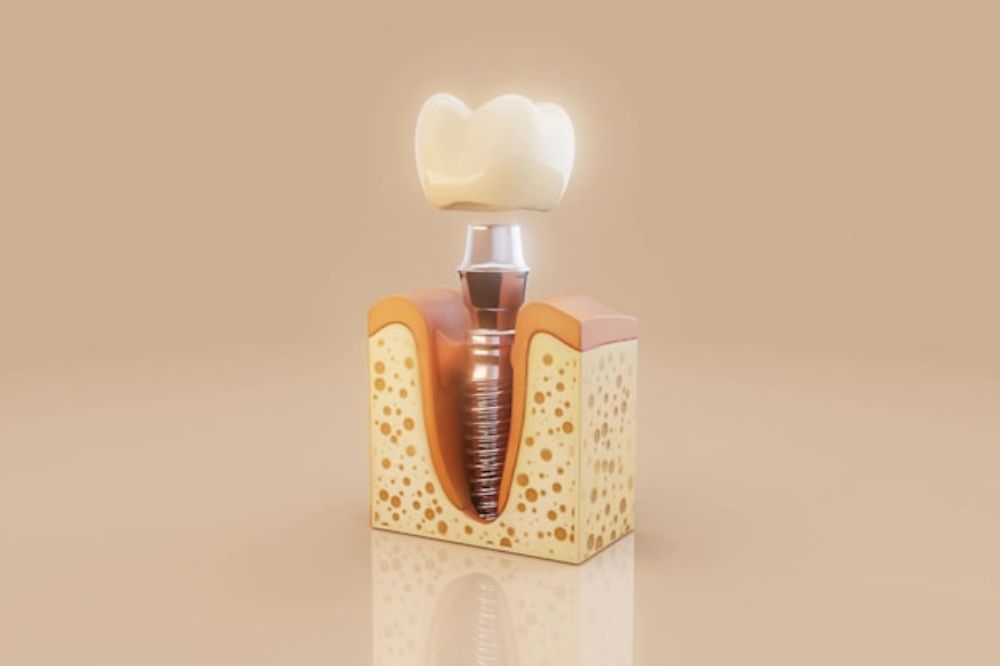
A dental implant is a small post made of titanium. A dentist places this post into the jawbone during a minor surgical procedure. Over a few months, the bone grows around the post, holding it in place. This process is called osseointegration.
Once the post is firm, the dentist attaches an artificial tooth on top. This new tooth looks and feels just like a natural tooth. If you are looking for dental implants near you, a dentist can guide you on the right treatment based on your oral health and needs.
The Diet Problem with Missing Teeth
When teeth are missing or broken, chewing becomes painful. People often stop eating hard, crunchy, or chewy foods.
- Missing Nutrients: People stop eating raw vegetables like carrots and fruits like apples, as well as tough meats.
- Soft Food Diet: People shift to soft foods such as mashed potatoes, white bread, and soup.
- Health Issues: A soft-food diet often lacks vital vitamins, minerals and fibre. This can lead to stomach issues and low energy.
How Dental Implants Change Your Eating Habits?
Traditional dentures rest on the gums. They can slip around when you chew, which makes it hard to eat tough foods. Dental implants are different because they connect directly to the bone. They do not move.
1. Better Chewing Power (Mastication)
The medical word for chewing is mastication. Dental implants restore your natural mastication power. This means you can grind down food into tiny pieces just like you did with your original teeth.
2. Better Digestion
Digestion starts in the mouth. When you chew food completely, your saliva mixes with it to break it down. This makes it much easier for your stomach to absorb the nutrients.
3. A Wider Variety of Healthy Foods
With implants, you can eat a balanced diet again. You can safely add these items back to your plate:
- Nuts and seeds (high in healthy fats)
- Steak and chicken (high in protein)
- Raw fruits and vegetables (high in vitamins and fibre)
4. Improved Comfort While Eating
Dental implants stay fixed in the jawbone, so they do not slip or move like dentures. This gives better comfort while chewing and speaking. Patients can eat meals without worrying about pain, rubbing or loose teeth, which helps make eating more natural again.
5. Better Long Term Oral Health Support
Dental implants also help protect the jawbone and support nearby teeth where a tooth is missing. When a tooth is lost, the jawbone in that area can slowly become weaker over time because it is no longer being used. A dental implant acts like a natural tooth root and keeps the bone active. This helps to maintain bone strength, supports a steady bite, and keeps the other teeth in proper position. Over time, this leads to better chewing ability and improved oral health.
What to Eat Right After Implant Surgery
Right after implant surgery, the jaw needs time to heal. During the first few weeks, the bone starts to grow around the implant post. This process is called osseointegration. During this time, the surgical area must be protected.
A soft diet is very important at this stage. Following the right dental implants and diet plan can help with healing and reduce discomfort.
- Yogurt and smoothies (good for calcium)
- Scrambled eggs (good for protein)
- Oatmeal and warm soups
Avoid hot liquids, spicy foods and using straws, as these can disturb the healing tissue. Once the dentist confirms that osseointegration is complete, you can return to eating normal foods.
Finding the Right Care
If you are having difficulty chewing your food, visiting a dental clinic near you is a good first step. A professional can examine your jawbone with X-rays to see if you are a good candidate for this procedure. Restoring your teeth is not just about having a pretty smile. It is about keeping your whole body healthy through a healthy diet.
Rebuild Your Smile with Dental Implants!
At Belmont Dental Centre, we help patients rebuild missing teeth with dental implants. We use strong titanium posts placed in the jawbone to support natural-looking crowns. This treatment helps improve chewing, speaking and daily comfort. Our dental team focuses on safe care and simple treatment steps for better oral health.
We are here to guide you at every step. Book your visit at Belmont Dental Centre today for a healthy smile.
FAQ
Can you eat steak with dental implants?
Yes. Once the implant is fully healed and the bone has bonded with the titanium post, you can eat steak and other tough meats just like you would with natural teeth.
How long after implant surgery can you eat solid food?
Most patients need to follow a soft-food diet for several weeks after surgery. The exact time depends on how fast the jawbone heals. Your dentist will tell you when it is safe to eat hard foods.
Do dental implants change the taste of food?
No. Dental implants do not cover the roof of the mouth as traditional dentures do. Because the palate remains completely open, you can normally taste and feel the temperature of food.
Can dental implants get cavities?
No, the materials used to make implants cannot decay. However, you still need to brush and floss around them to prevent gum disease, which can lead to implant failure.
How do I know if I need dental implants?
If you have missing teeth or teeth that hurt when you chew, visit a dental clinic near you. A dentist can check your mouth and help you decide if implants are the best choice for your health.