

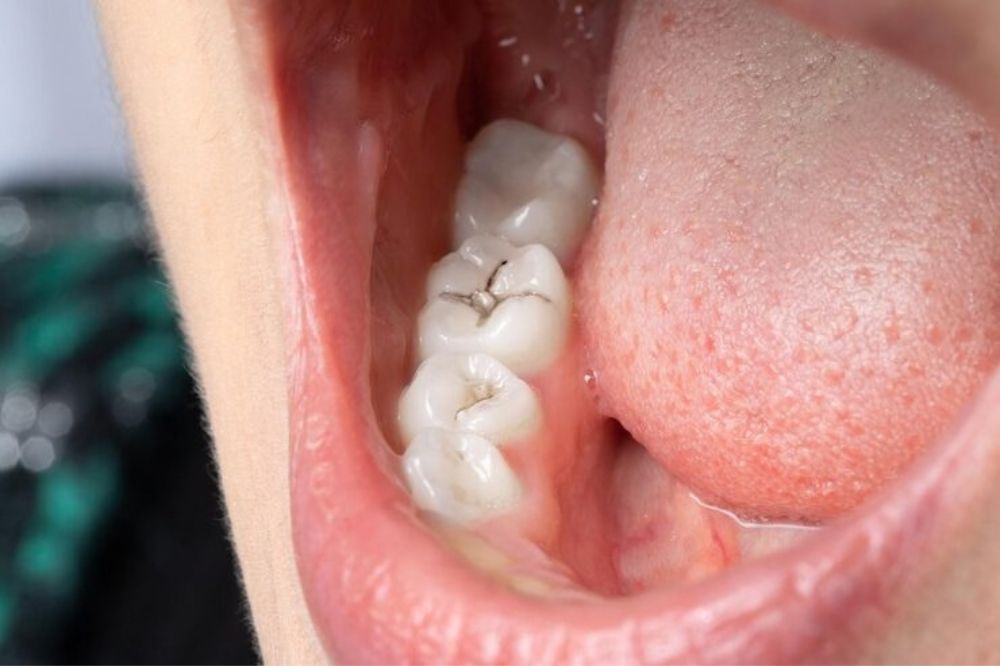
When a cavity appears or your tooth cracks, you have a solution that works quickly and effectively. A dental filling treatment can restore your tooth and stop pain or infection from getting worse. This simple procedure has helped millions of people keep their natural teeth strong and healthy.
Many of us suffer from tooth damage. Modern dentistry provides excellent ways to restore teeth, whether it is due to rot, an accident, or wear and tear over time. Dental fillings in New Westminster can help you retain your tooth and prevent tooth loss. It is cheap, quick, and saves you from trouble later on.
What Happens to a Damaged Tooth?
When a tooth gets damaged, the problem doesn’t stay small. Bacteria can enter the opening and cause infection. You might feel pain when eating or notice your tooth feels sensitive to cold drinks. The damage spreads deeper if you wait too long. This is why catching it early matters so much.
A cavity starts small but grows over time. It eats away at the hard outer layer of your tooth. Eventually, it reaches the softer part inside, called the pulp. Once that happens, you face bigger problems and costlier treatment. This is why addressing the issue promptly is important for your long-term dental health.
How Dental Fillings Save Your Tooth
The goal of dental fillings near you is simple: stop the damage and restore your tooth. Your dentist removes the decayed or damaged part. Then they fill that space with a strong material. This seals the tooth and prevents bacteria from entering again, thus acting as a damaged toothrepair.
The procedure takes just one visit. You sit in the chair for about 30 minutes to an hour. Your dentist numbs the area so you feel no pain, only pressure. Once they’ve cleaned out the damaged part, they place the filling material carefully. The filling hardens and becomes part of your tooth.
Different Types of Fillings Available
Several materials can be used for a filling. Each has its own benefits:
|
Filling Type |
Benefits |
Best For |
|
Composite (tooth-colored) |
Looks natural, bonds well |
Front teeth, visible areas |
|
Amalgam (silver) |
Very durable, long-lasting |
Back teeth, heavy chewing |
|
Glass ionomer |
Releases fluoride, gentle |
Smaller cavities |
|
Ceramic |
Extremely durable, aesthetic |
Large cavities |
When you need a dentist near you, discussing these options helps you choose what works best. Your smile matters, and so does the strength of your tooth. A quality filling gives you both.
Taking Care of Your Filled Tooth
After getting a filling, your tooth needs gentle care. Avoid chewing on hard objects like ice or hard candy. Wait a few hours before eating after the procedure. Your filling will feel like a natural part of your tooth within a day or two.
Good daily habits can help make fillings last for years:
- Brush your teeth twice a day.
- Make sure to floss your teeth daily.
- Wash your mouth after meals.
- See the dentist on a half-yearly basis.
Conduct these simple steps to ward off bacteria and protect your filling and tooth. It is easier to prevent than treat.
Your Path Forward Starts Here at Belmont Dental Centre
You don’t need to lose a tooth simply because of some kind of damage. Fillings can be one of the strongest, as well as the cheapest and the most helpful way of treating the damaged tooth. Caring for a cavity or a crack in your teeth may seem to be a complicated task; however, with the aid of dentists such as us at the Belmont Dental Centre, this issue will be resolved sooner, as we do great work for you.
Take action now to deal with the problems of cavities or cracks; you are going to be able to stay away from suffering, illness, and also other costly health issues in the future.
When you need a dentist in New Westminster, visit us today; we have a team of trained professionals who can inspect your tooth and use the right filling for it. Protect your smile for tomorrow by acting today.
Frequently Asked Questions
Will a filling hurt?
No. Your dentist numbs the area first, so you feel no pain during the procedure—only mild pressure.
How long do fillings last?
Most fillings last 7 to 10 years, depending on the material used and how well you care for your teeth.
Is it possible for a filled tooth to cavity?
Yes, if bacteria get to the edge of the filling or adjacent tooth surface, decay can start again. Dental care helps prevent this.
Is a filling better than extraction?
Yes, of course. When faced with a damaged tooth, keeping your natural tooth by way of a filling is almost always better than removing it. This preserves your bite and jaw health.