

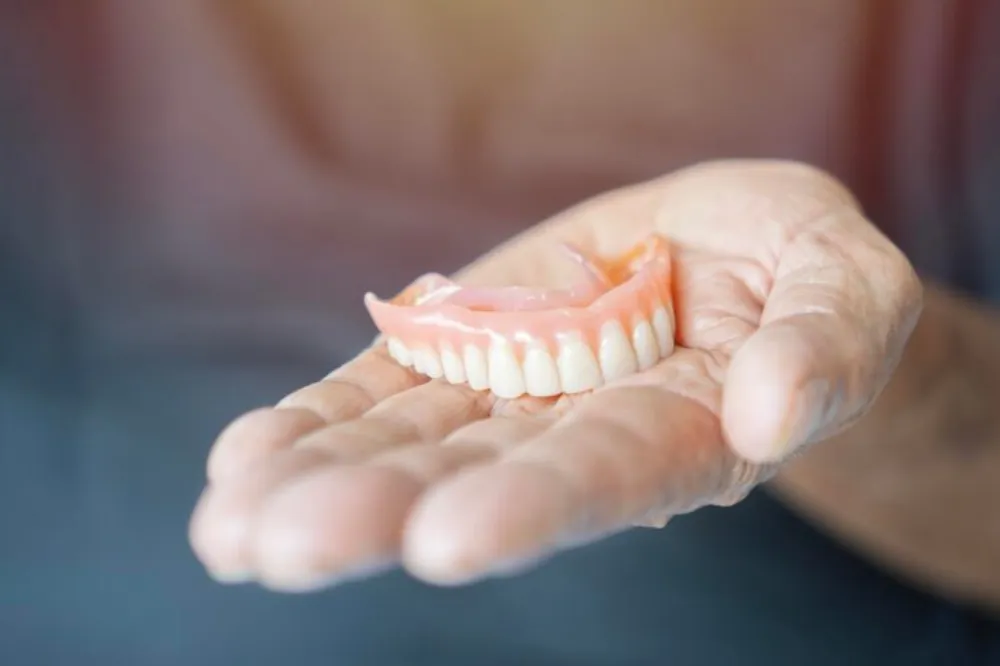
Dentures replace missing teeth and help you chew food, speak clearly, and smile. However, they can wear out or stop fitting properly over time. If your dentures feel loose, hurt your gums, crack, or make eating difficult, you may need to have them checked. A dentist who provides Dentures in New Westminster can check them and tell you if they need to be adjusted, repaired, or replaced.
Your dentures may also stop fitting well because your gums and jawbone change after you lose teeth. Even if your dentures look fine, they may no longer feel comfortable. Regular dental visits can help find these changes early, before they cause pain or make eating difficult. Knowing these warning signs can help you know when to see your dentist and take care of your mouth.
7 Signs You May Need New Dentures
Dentures do not last forever. Watch for these common signs that your current set may need attention.
- Loose or slipping dentures: Dentures that move while talking, laughing, or eating may no longer fit your gums properly.
- Sore gums: If your dentures rub against your gums, they may cause redness, pain, or sores.
- Cracks or broken parts: Broken dentures may not fit or work properly. Do not try to fix them with household glue.
- Difficulty chewing: If foods that were once easy to eat have become difficult, your dentures may need adjustment or replacement.
- Changes in speech: Dentures that shift or no longer sit correctly may affect how you pronounce certain words.
- Changes in facial support: Poorly fitting dentures may not support your lips and cheeks as well as before.
- Frequent need for adhesive: If you need much more adhesive to keep your dentures in place, ask a dentist to check their fit.
Why Do Dentures Stop Fitting Properly?
Your mouth changes over time. After teeth are lost, the jawbone may gradually shrink because it no longer receives the same pressure from natural tooth roots. The gums and tissues also change shape, which can leave spaces between the dentures and your mouth.
Everyday wear can also affect dentures. The material may become worn, damaged, or less comfortable to use. Cleaning habits and accidental drops can contribute to damage, too.
Dentures near you can be checked by a dental professional to see whether the problem can be fixed with an adjustment or relining, which changes the inner surface to improve the fit. If the dentures are badly worn, damaged, or no longer suitable for your mouth, a new set may be recommended.
Can Dentures Be Repaired Instead of Replaced?
Not every problem means you need new dentures. The right choice depends on the type of damage and how well the dentures fit.
An adjustment may help if the dentures rub against your gums or create pressure in certain spots. Relining may improve the fit when your gums have changed shape, but the dentures are still in good condition. A repair may be possible for certain cracks or broken parts.
You may need new dentures if your current ones are badly damaged, fit poorly, or have worn teeth that make chewing difficult. A dental clinic in New Westminster can assess your dentures and recommend what is best for you. Do not try to bend, file, or glue your dentures yourself, as this can damage them more or hurt your mouth.
How Can You Make Your Dentures Last Longer?
Good daily care can help keep dentures clean and reduce avoidable damage. It cannot stop all changes in your mouth, but it may help your dentures remain comfortable for longer.
Follow these habits:
- Clean your dentures daily with a denture brush and a denture cleaner.
- Handle them over a folded towel or a sink filled with water to reduce the risk of breakage if dropped.
- Remove them at night unless your dental professional has advised otherwise.
- Keep them in water or the recommended soaking solution when they are not being worn, following the product instructions.
- Clean your gums, tongue, and any remaining teeth every day.
- Attend regular dental checkups to assess the fit and condition of your dentures.
A dentist near you can also check your mouth for irritation, infection, or other concerns that may develop while wearing dentures.
Rediscover Comfort With Dentures That Fit Your Needs!
Dentures should help you enjoy meals, speak clearly, and feel comfortable throughout the day. If your current set slips, causes sore spots, or no longer feels right, a dental assessment can help identify the problem. Depending on the condition of your dentures and changes in your mouth, a simple adjustment, repair, or a new set may be the right solution.
Contact Belmont Dental Centre to book an appointment and explore the options available for your smile. Get personalised guidance to improve denture comfort, maintain a proper fit, and care for your dentures so you can feel more at ease in everyday activities.
FAQs
How often should dentures be replaced?
Not everyone needs new dentures at the same time. Dentures may need to be replaced after a few years. The right time depends on how well they fit, their condition, and changes in your gums and jaw.
Can loose dentures damage my gums?
Yes. Dentures that move or rub can cause sore spots and irritation. Have them checked rather than relying on extra adhesive to solve the problem.
Is it normal for dentures to feel different over time?
Yes. Changes in your gums and jawbone can affect the fit. However, new pain, slipping, or difficulty chewing should be assessed.
Can new dentures improve my ability to eat?
Well-fitting dentures can make chewing easier, although some foods may still take practice. Your dentist can help you adjust to the new set and address fit concerns.